Regular readers of my publications may remember that I have written several times about the murder of eleven-year-old Carlie Brucia. This case also has a cryptologic angle.
The crime
The crime took place in Sarasota, Florida, in 2004. Joseph Smith, a convicted offender, abducted and murdered Carlie Brucia. A surveillance camera at a car wash captured Smith approaching and kidnapping the girl. The footage was released to the public, and the perpetrator was identified remarkably quickly.
The cryptographic chapter of the story began after Smith had been arrested and sent to prison. While behind bars, he attempted to send an encrypted message to his brother. Unfortunately for him, the note was intercepted.
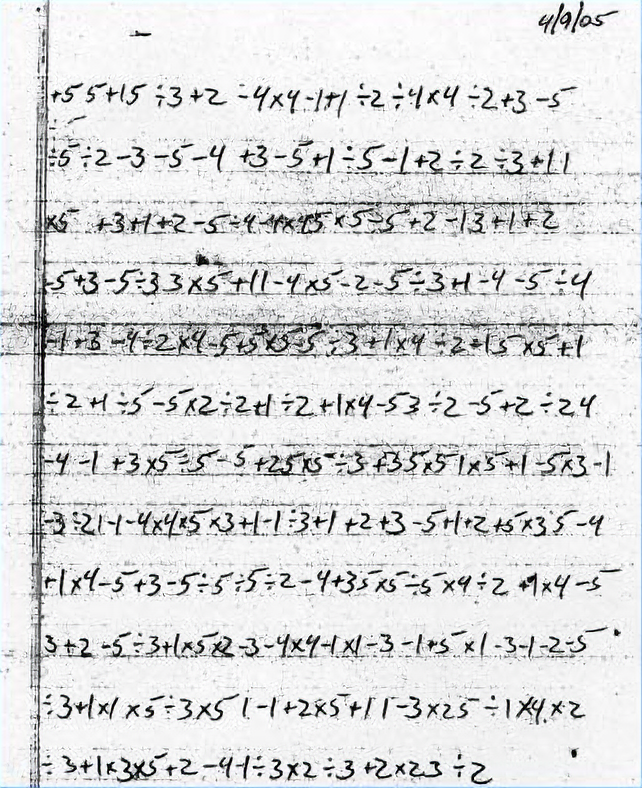
Once deciphered, the plaintext read:
I wish I had something juicy to say. Oh, OK. The backpack and clothes went in four different dumpsters. That Monday I came to your house for advice. I left it out in the open. I dragged the body to where it was found. Destroy this after deciphering it and shut up.
If you want to know more about this story and the encrypted note, check my page about the Brucia case.
The interview
A few months ago, I attended the Charlotte Cryptologic Symposium, where I had the pleasure of meeting Peter Berg. Peter has family connections to Sarasota and was already familiar with the Brucia case. Peter kindly provided me with a number of photographs taken at original locations associated with the case. Some of these pictures can be seen on the aforementioned Carlie Brucia page.
Peter also invited me to appear on his podcast Cyberg Dreams as an interview guest. We recorded the episode a few weeks ago. The temperature during the recording session was somewhere between “summer” and “sauna.”
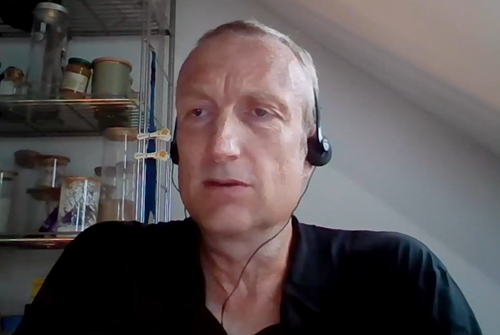
The Cyberg Dreams interview has now been released. The episode covers various aspects of the Brucia case. Besides me, attorney Ivonne Antonian appears as a guest. While I discuss the cryptologic side of the story, Ivonne explains the legal questions arising from cases like this one.
One particularly interesting topic concerns encrypted devices and passwords. Can the police force a suspect to reveal a computer password? In the United States, the answer is not entirely straightforward. Some legal experts argue that compelling a suspect to disclose a memorized password may conflict with the Fifth Amendment, which protects individuals from being forced to testify against themselves.
And once again, my thanks go to Peter Berg for sharing the photographs, inviting me onto the podcast, and helping to shed new light on a case that continues to fascinate cryptologists more than twenty years after it happened.
Back to Cipherbrain Blog