James Madison (1751–1836), the fourth President of the United States, left behind an enormous documentary legacy.
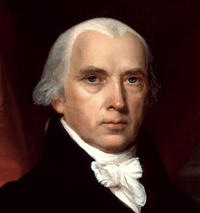
For more than sixty years, scholars involved in The Papers of James Madison project have been collecting, transcribing, annotating, and publishing his correspondence. Over the decades, they have tackled countless historical puzzles, including numerous encrypted diplomatic letters. And they solved them almost all.
The letter
However, there is a single stubborn exception: a three-pages letter on 20 February 1808 sent to Madison by John Armstrong Jr., the U.S. ambassador to France. More than two centuries after it was written, nobody knows what much of it says. The letter can be viewed on the Madison Project website, together with a transcription: John Armstrong Jr. to James Madison, 20 February 1808.
Page 1:
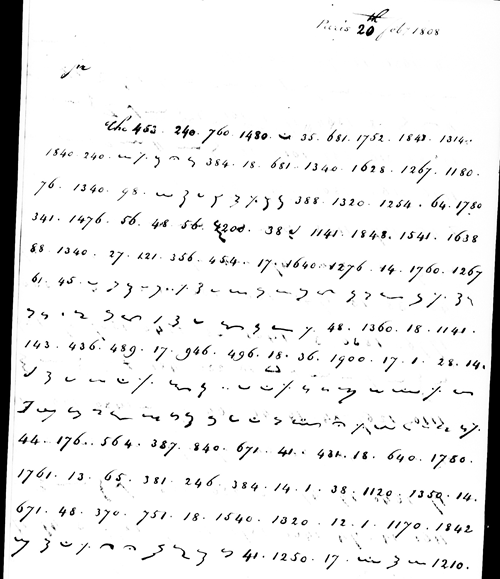
Page 2:
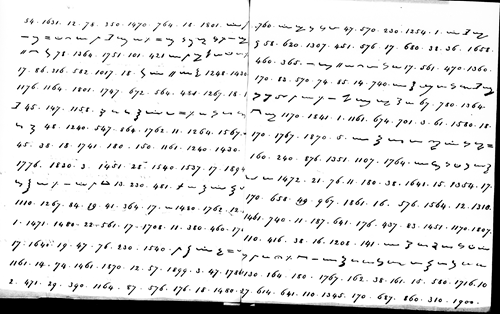
Page 3:
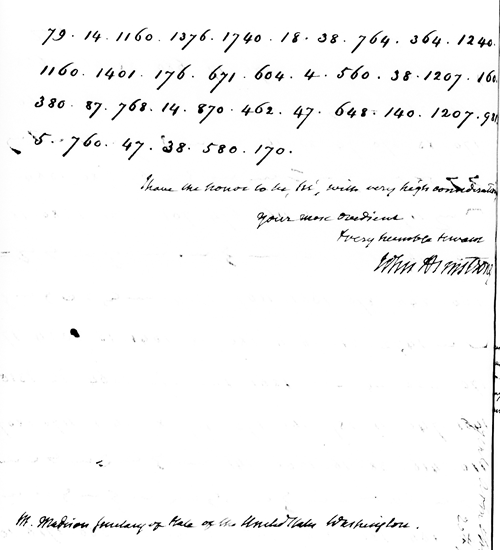
Transcript:
Sir,
The

453. 240. 760. 1480. symbol

35. 681. 1752. 1841. 1314.

1840 240 symbols 384. 18. 681. 1340. 1628. 1267. 1180.

76. 1340. 98. symbols 388. 1320. 1254. 64. 1780

341. 1476. 56. 48 56. 203. 38 symbol 1141. 1848. 1541. 1638.

88. 1340. 27. 121. 356. 454. 17. 1640. 1276. 14. 1760. 1267

61. 45. symbols

symbols 48. 1360. 18. 1141.

143. 436. 489. 17. 946. 496. 18. 36. 1900. 17. 1. 28. 14.

2 lines of symbols

44. 176. 564. 387. 840. 671. 41. 431. 18. 640. 1780.

1761. 13. 65. 381. 246. 384. 14. 1. 38. 1120. 1350. 14.

671. 48. 370. symbol 751. 18. 1540. 1320. 12. 1. 1170. 1842.

symbols 41. 1250. 17. symbols 1210.

54. 1631. 12. 78. 350. 1470. 764. 18. 1801. symbols

1 line of symbols

symbols 78. 1364. 1751. 101. 421 symbol

17. 86. 316. 582. 1017. 18. symbol 1248. 1430

1176. 1164. 1801. 1747. 672. 564. 481. 1267. 18. 1

symbol 45. 147. 1158. symbols

symbols 48. 1240. 547. 864. 1762. 11. 1264. 1567.

45. 38. 18. 1741. 180. 150. 1161. 1240. 1430.

1776. 1830. 3. 1451. 28. 1540. 1537. 17. 1894

symbols 13. 230. 481. symbols

1110. 1267. 84. 19. 41. 364. 17. symbol 1480. 1762. 12.

1. 1471. 1480. 22. 561. 17. 1708. 11. 380. 460. 17⟨   ⟩

17. 1640. 19. 47. 76. 230. 1540. symbols

1161. 14. 74. 1461. 1870. 12. 57. 1899. 3. 47. 1786

2. 471. 29. 390. 1164. 87. 576. 176. 18. 1480.

760. symbols 47. 570. 230. 1254. 1. symbols

symbol 58. 620. 1307. 451. 576. 17. 680. 38. 36. 1658.

460. 365. symbol 17. 561. 470. 1360.

170. 83. 570. 74. 85. 14. 740. symbols

symbols 67. 780. 1364.

symbols 1170. 1841. 1. 1161. 674. 701. 3. 61. 1580. 18.

170. 1767. 1870. 5. symbol

160. 240. 876. 1351. 1107. 1764. symbols

symbols 1472. 21. 76. 11. 180. 38. 1641. 15. 1354. 17.

170. 658. 49. 967. 1861. 16. 576. 1564. 12. 1310.

1461. 740. 11. 187. 641. 176. 437. 83. 1451. 1170. 1807.

110. 416. 38. 16. 1208. 141. symbols

1 line of symbols

1130. 164. 180. 1767. 162. 38. 161. 15. 580. 1716. 10

27. 614. 641. 110. 1345. 170. 687. 860. 310. 1900.

79. 14. 1160. 1376. 1740. 18. 38. 764. 364. 1240.

1160. 1401. 176. 671. 604. 4. 560. 38. 1207. 160.

380. 87. 768. 14. 870. 462. 47. 648. 140. 1207. 981

5. 760. 47. 38. 580. 170.

I have the honor to be, sir, with very high consideration, your most obedient & very humble servant
Armstrong regularly sent encrypted diplomatic correspondence to Washington, and historians have reconstructed much of the numerical codebook he used. His usual system consisted of approximately 1,600 code groups representing words, names, and phrases. Other letters sent on 15 and 22 February 1808 can largely be deciphered using this codebook. But the letter shown above refuses to cooperate.
Analysis
The text consists mainly of three- and four-digit numbers, interspersed with mysterious symbols. The Madison editors naturally tried Armstrong’s known codebook first. It did not work. They then tested other State Department codebooks from the same period. Again, no success. They also compared the text with the many diplomatic codes documented by Ralph Weber in his classic reference work United States Diplomatic Codes and Ciphers, 1775–1938. Nothing matched.
The situation becomes even more intriguing because there is no surviving plaintext version and no indication that the message was ever deciphered in Madison’s office. Unlike many encrypted diplomatic letters, no decoded passages were written between the lines or in the margins. There is also no evidence that Madison ever acknowledged receiving the message.
The numerical groups strongly suggest a codebook or nomenclator system. Anyone who has worked with eighteenth- and nineteenth-century diplomatic cryptography will immediately recognize the format. Without the corresponding codebook, recovering the plaintext may be impossible. A nomenclator containing more than a thousand entries provides a formidable obstacle even for modern cryptanalysts.
However, the numbers are only part of the puzzle. The symbols that don’t represent codegroups appear to be written in some form of shorthand. Unfortunately, shorthand systems present their own difficulties. Hundreds of different shorthand methods have been invented over the last several centuries. Some became widely used; others existed only briefly. Identifying an unknown shorthand can be challenging enough. Deciphering it without knowing which system was employed can be even harder.
For more information check the following web page by Satoshi Tomokiyo.
So here is a challenge for readers of this blog. Can you decipher this letter?
Back to Cipherbrain Blog