The Janssen and Roos spy case
A the center of that case were two German agents, Haicke Janssen and Willem Roos, who posed as Dutch cigar merchants when they entered Great Britain in 1915. They then visited several British port cities independently of one another, where they appeared to be doing brisk business and sent corresponding orders via telegram to the Netherlands.
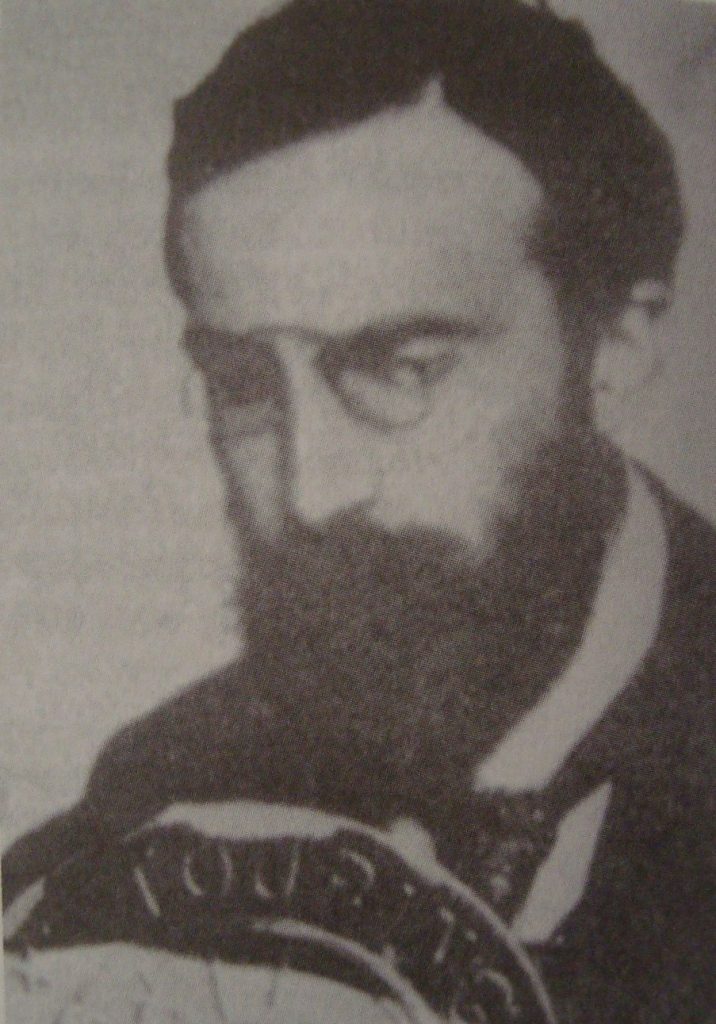 Haicke Janssen (1885-1915)
In reality, however, the two were targeting British port facilities, where they were on the lookout for warships. The supposed cigar orders were disguised messages about the number of ships in a particular port. For example, if one of them ordered 10,000 Corona brand cigars to Portsmouth, this stood for 10 reconnaissance ships (cruisers) that he had spotted in the port facilities there. The recipient of these orders was a purported cigar company in the Netherlands, behind which the German intelligence service was operating.
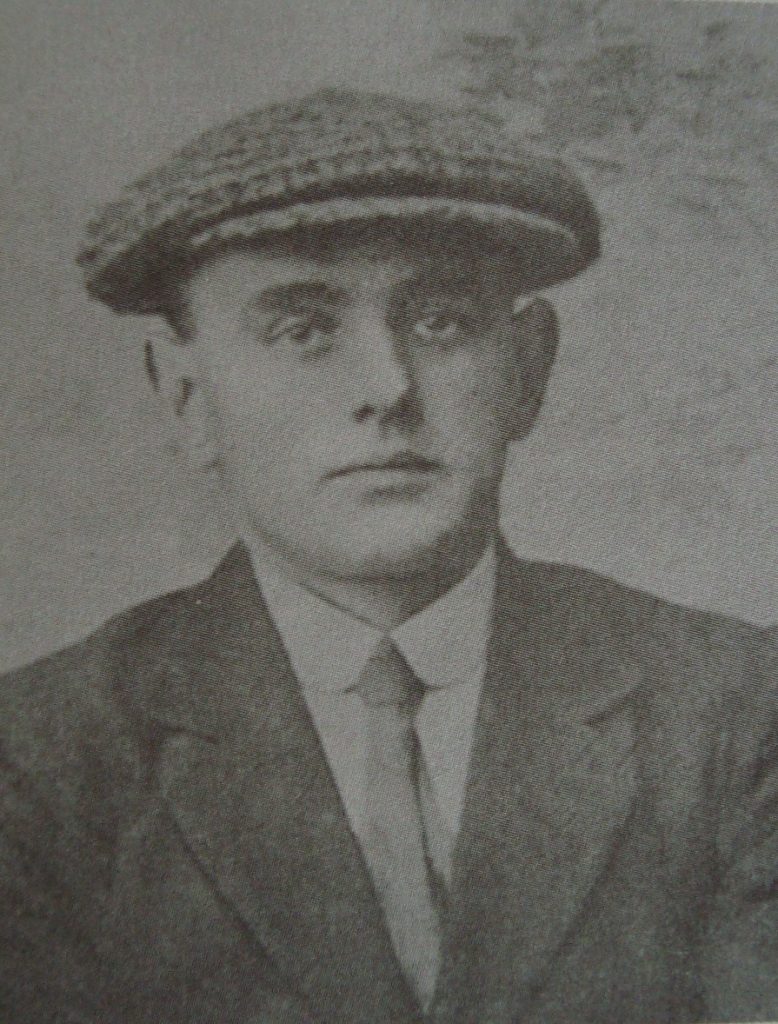 Willem Roos (1882-1915)
However, the British monitored international mail during wartime. As a result, some censors were puzzled by the high number of orders—10,000 cigars was simply too many for a city like Portsmouth. They also noticed that all the orders came from cities with a military port. Janssen and Roos’s espionage mission therefore lasted only a few weeks before British intelligence caught on to them. The two were arrested and brought to trial. During the trial, several cigar experts testified that the brands in question did not even exist. In the end, both Germans were sentenced to death.
Literature
David Kahn: The Codebreakers. Scribner, 1996
Klaus Schmeh: Versteckte Botschaften. Dpunkt-Verlag, 2017
Back to Ciphers and Crime