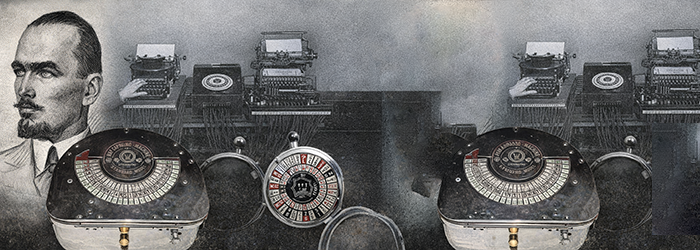
Alexander von Kryha’s encryption machines
Alexander von Kryha (1891–1955) was born in Ukraine and emigrated to Germany after the First World War. In the early 1920s, he developed the Kryha Standard encryption machine, followed by the Kryha Liliput and the Kryha Elektric. These three compatible machines were cryptographically weak and clearly inferior to competing systems such as the Enigma machine.
Although Kryha marketed his devices professionally and with great determination, he refused to acknowledge their technical shortcomings. Despite considerable effort, he was ultimately unsuccessful.
After the Second World War, he made another attempt with the support of wealthy investors. However, by then his machines were already technologically outdated and attracted little interest. By 1955, Kryha was financially ruined and took his own life in Baden-Baden.
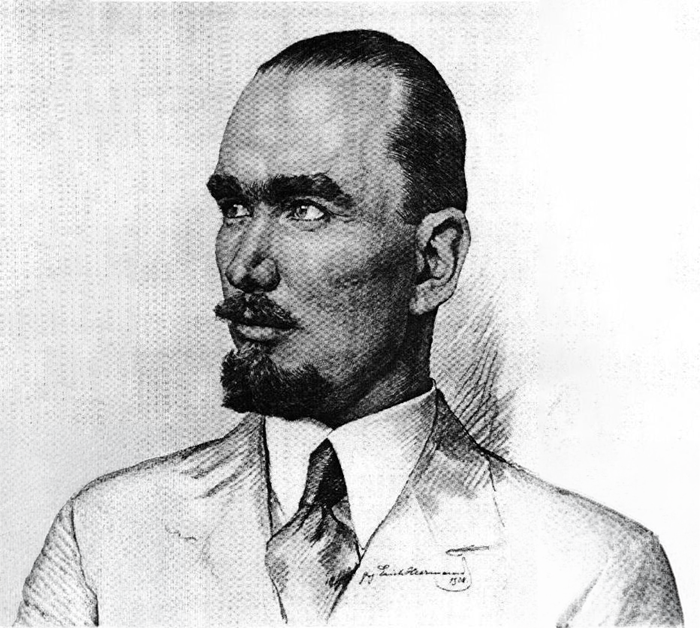
Initially, he called himself Alexander Kryha. How he later adopted the noble title “von” remains unknown.
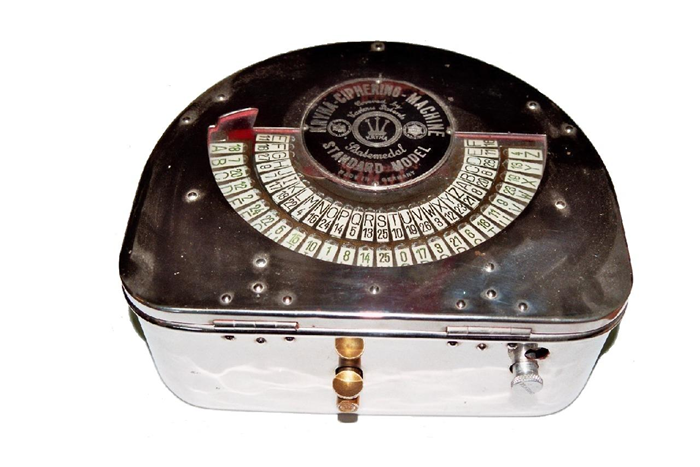
A Kryha Standard in the collection of Günter Hütter. The Kryha Standard (1924) was Kryha’s first cipher machine model.
Its primary target customers were banks, authorities and large corporations, which were expected to use the machine for secure communication. However, these organizations showed little interest in the device.

The Kryha cipher machine was delivered in a high-quality leather case, reflecting its intended market positioning.
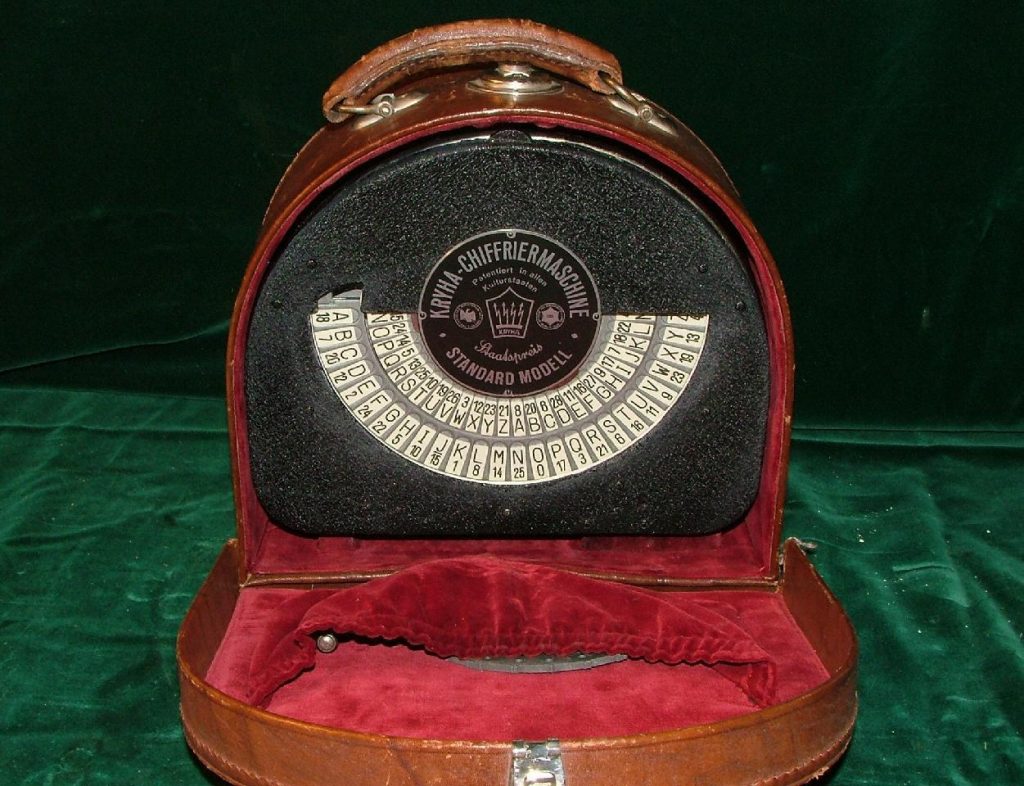
While the Kryha cipher machine was visually impressive and elegantly designed, its encryption proved to be relatively weak. Contemporary cryptography experts quickly recognized its vulnerabilities.
Source: National Cryptologic Museum
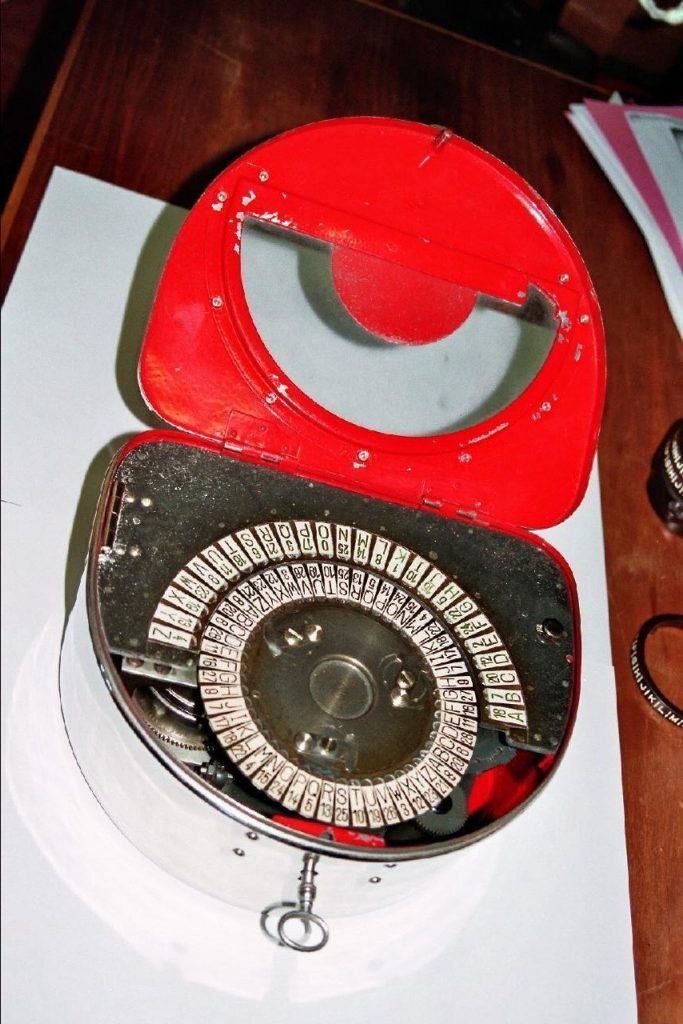
The Kryha Standard operated using a spring-driven mechanism and was manufactured by a clock factory in Germany’s Black Forest region.
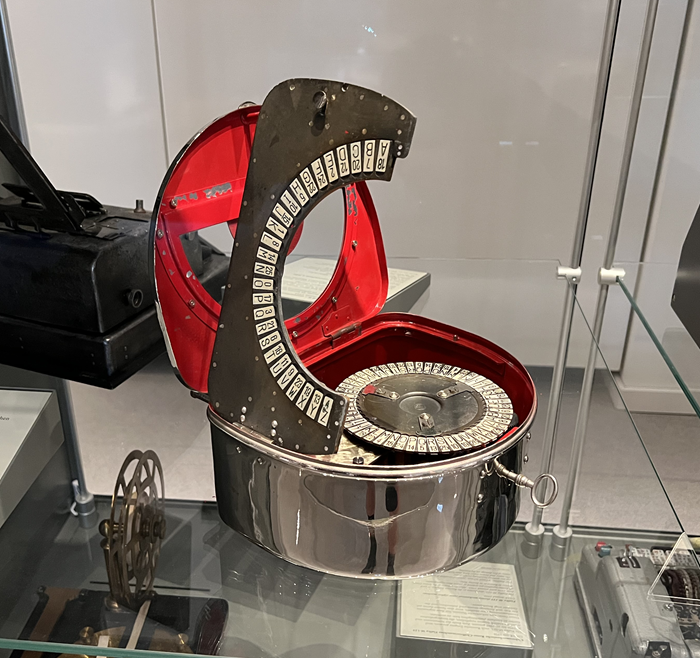
An unfolded Kryha Standard on display at the Deutsches Museum in Munich
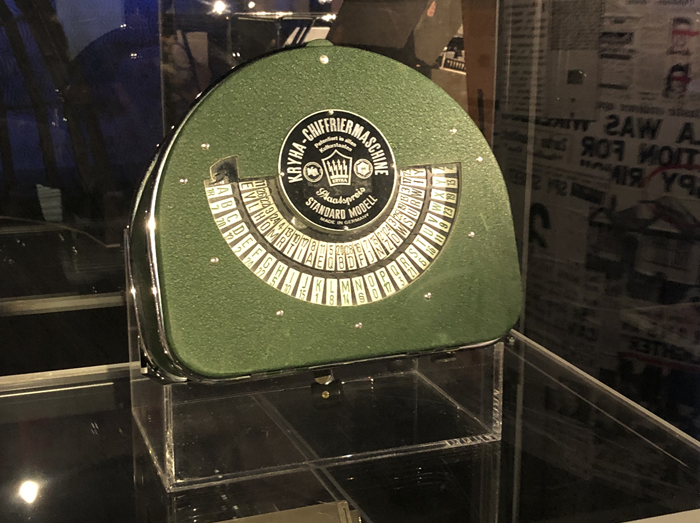
This green example of the Kryha Standard is on display at the Science Museum in London.
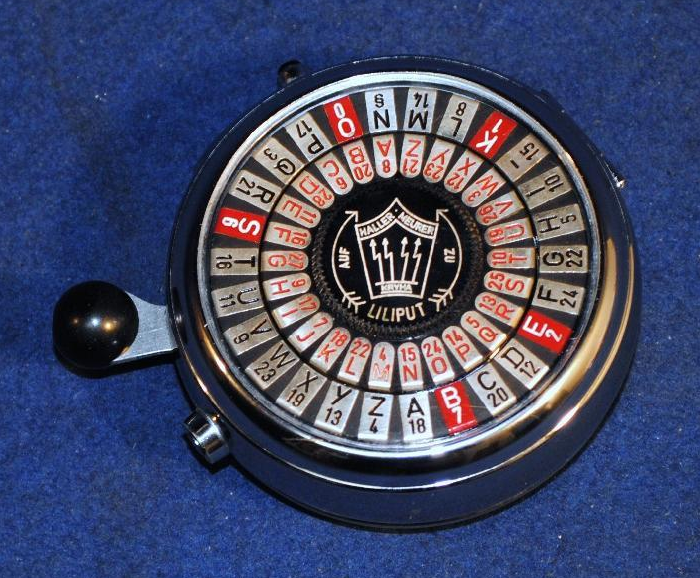
The Kryha Liliput resembled a pocket watch. It was fully compatible with the Kryha Standard, allowing messages to be encrypted and decrypted interchangeably between the two devices.
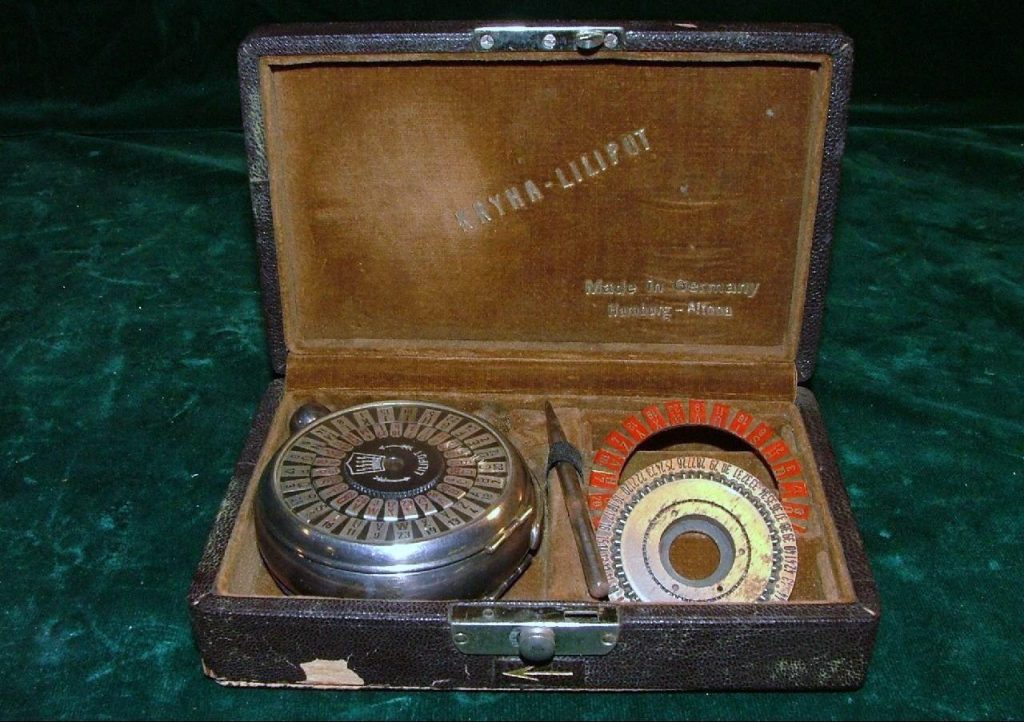
The Kryha Liliput was not a commercial success.
Source: National Cryptologic Museum

Today, Kryha cipher machines are highly sought-after collector’s items. According to encryption machine expert Ralph Simpson, a total of 40 Kryha cipher machines are known to have survived. These include 24 standard models and 16 Liliput models. This makes Kryha machines considerably rarer than Enigma machines.
Source: Klaus Kopacz
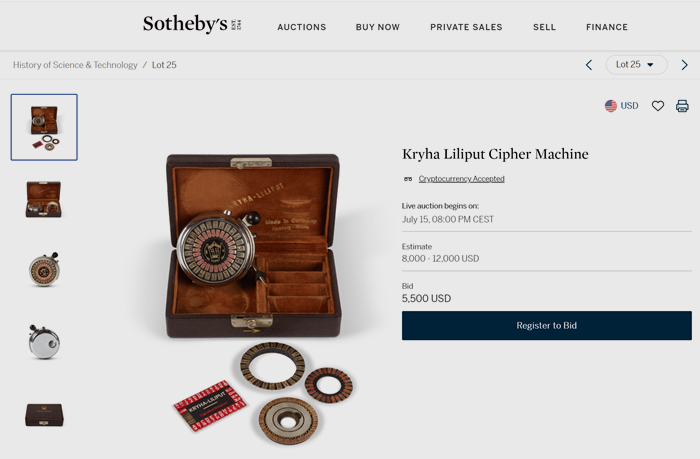
In 2026, a Kryha Liliput was auctioned at Sotheby’s. It sold at $7040.
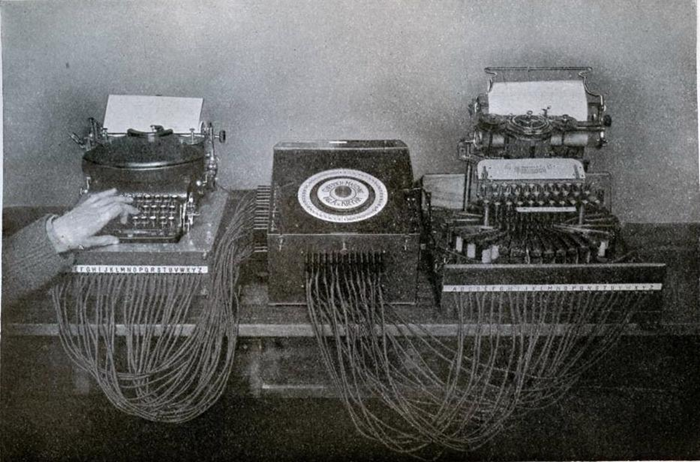
The Kryha Elektric, the third machine developed by Kryha, likely existed only as a prototype – or possibly even as a non-functional mock-up. No surviving example of the machine is known to exist today.
As you can see in this picture, the Kryha Elektric was connected between two electric typewriters.
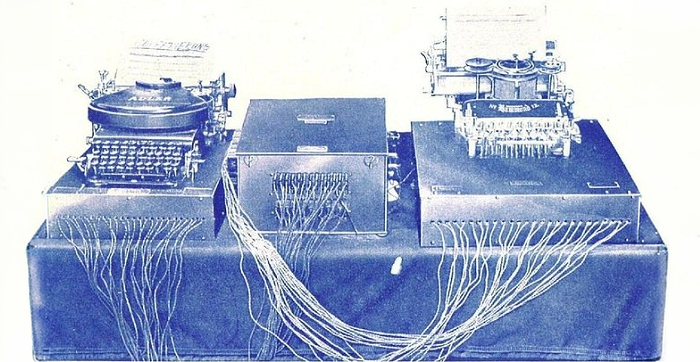
There aren’t many pictures of the Kryha Elektric. In this one, it looks a little different than in the one above.
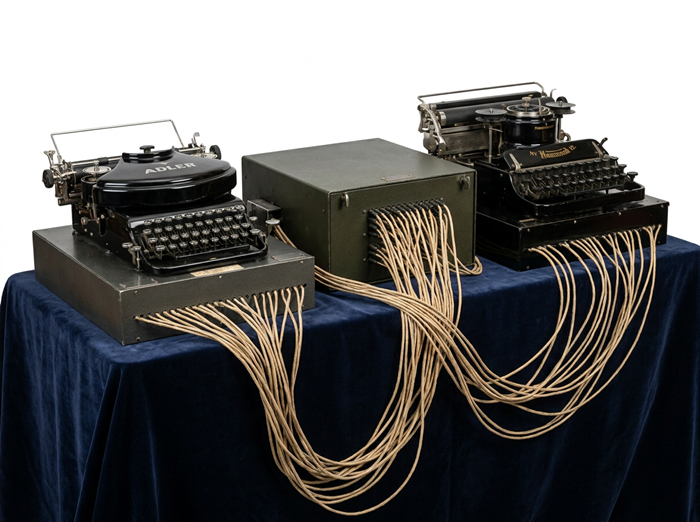
This image of the Kryha Elektric was generated by AI.
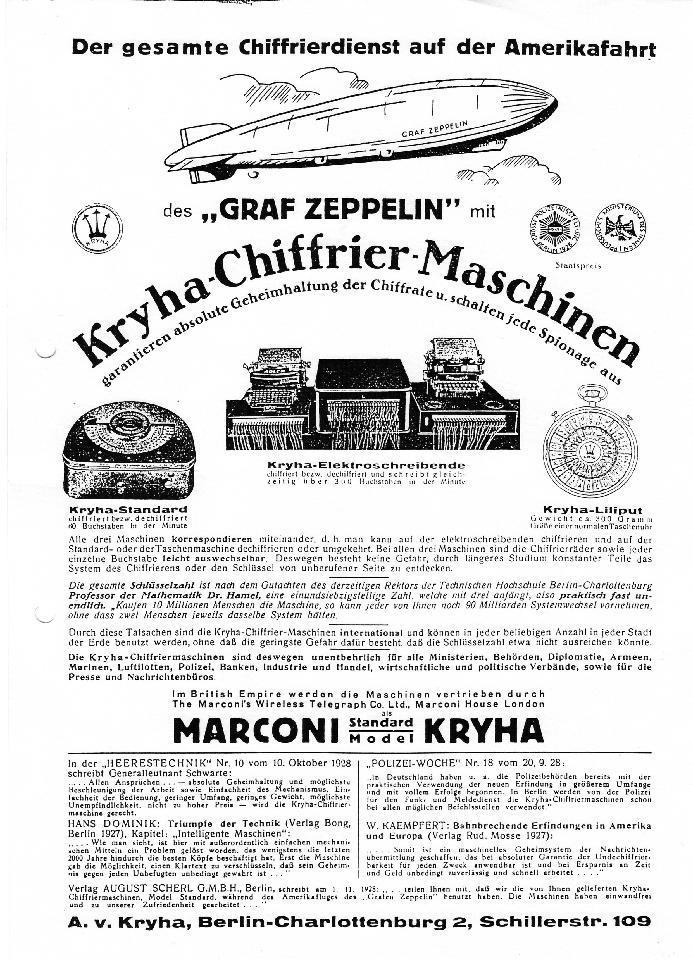
Kryha’s advertising materials were designed in a highly professional manner.
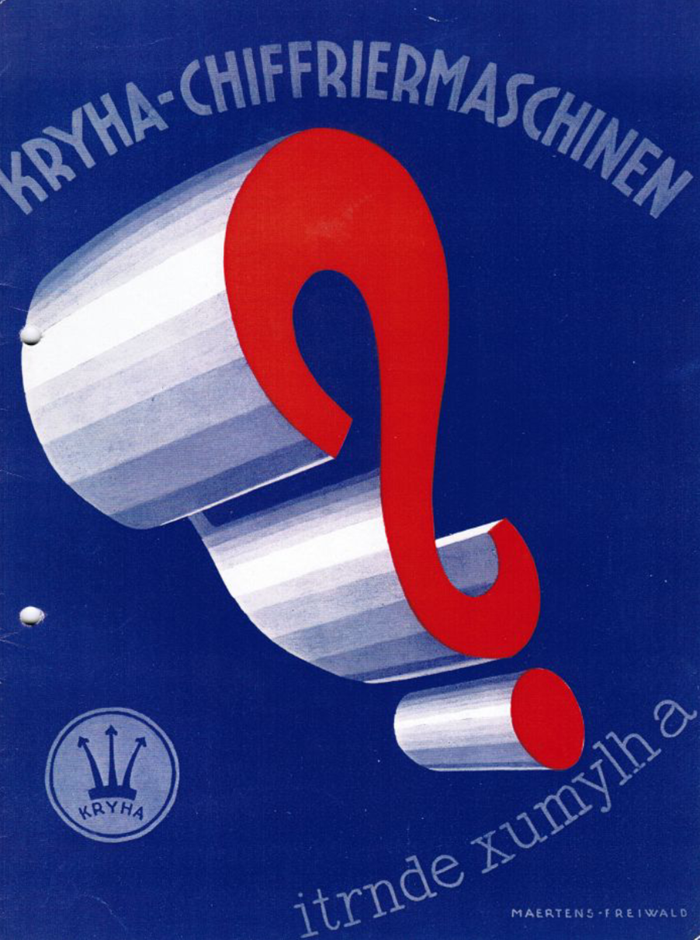
The cover page of the manual for the Kryha Standard was designed by “Maertens-Freiwald.” Several advertising posters created by this designer – or possibly advertising agency – can still be found online today.
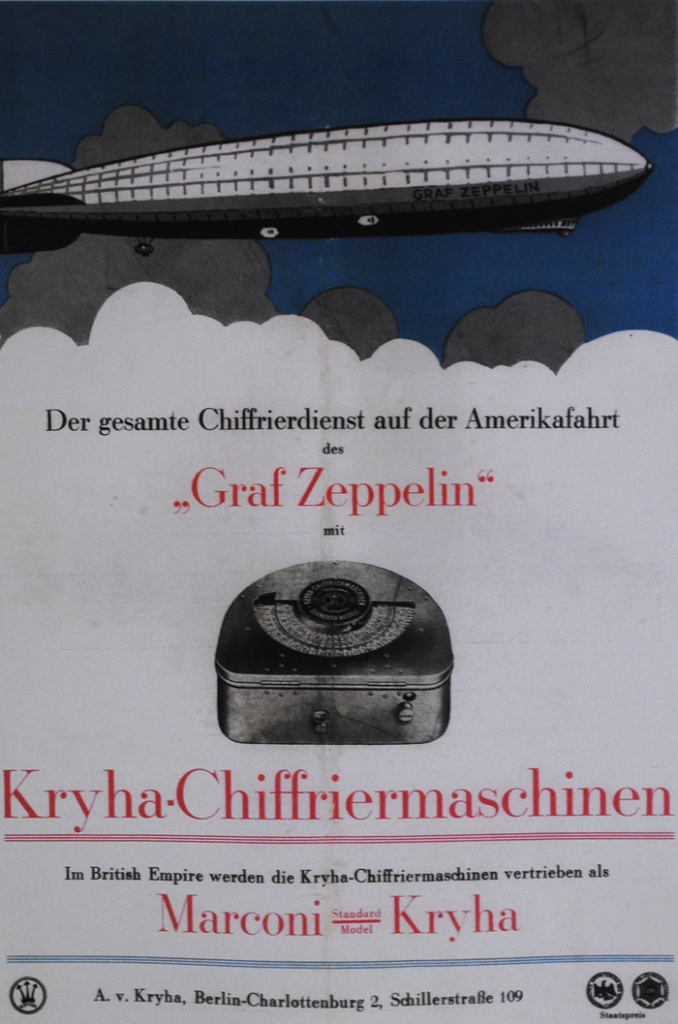
According to some of the posters, Kryha’s machines were supposedly used aboard a Zeppelin – a rather bold exaggeration. What was not exaggerated, however, was Kryha’s cooperation with Marconi Company.
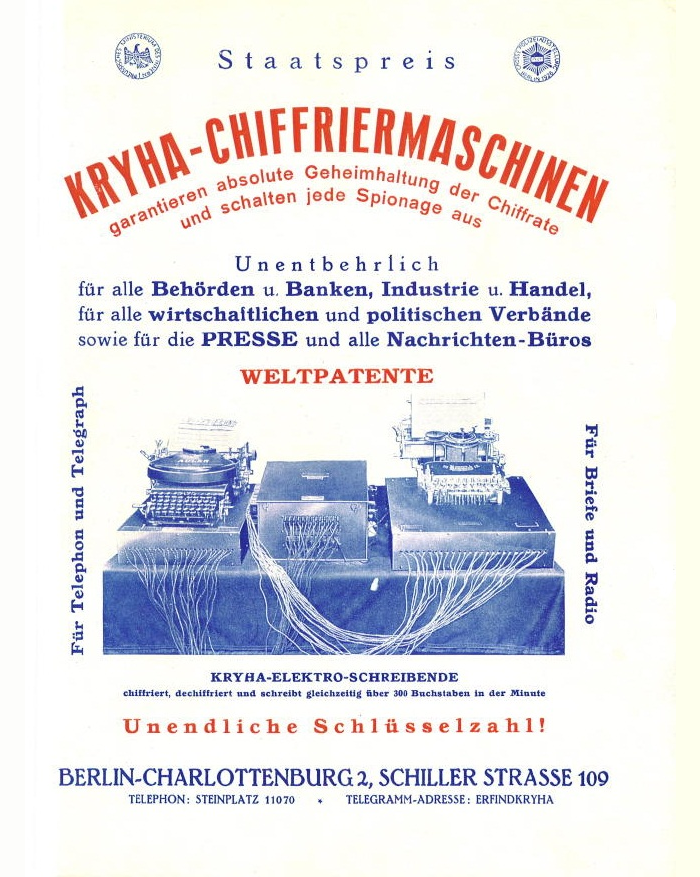
This poster illustrates the intended target audience of the Kryha cipher machines: government agencies, banks, industry, commerce, associations, and the press. In practice, however, demand from these sectors remained very limited. Only the military was willing to adopt encryption machines on a larger scale and pay the high prices required for such technology.
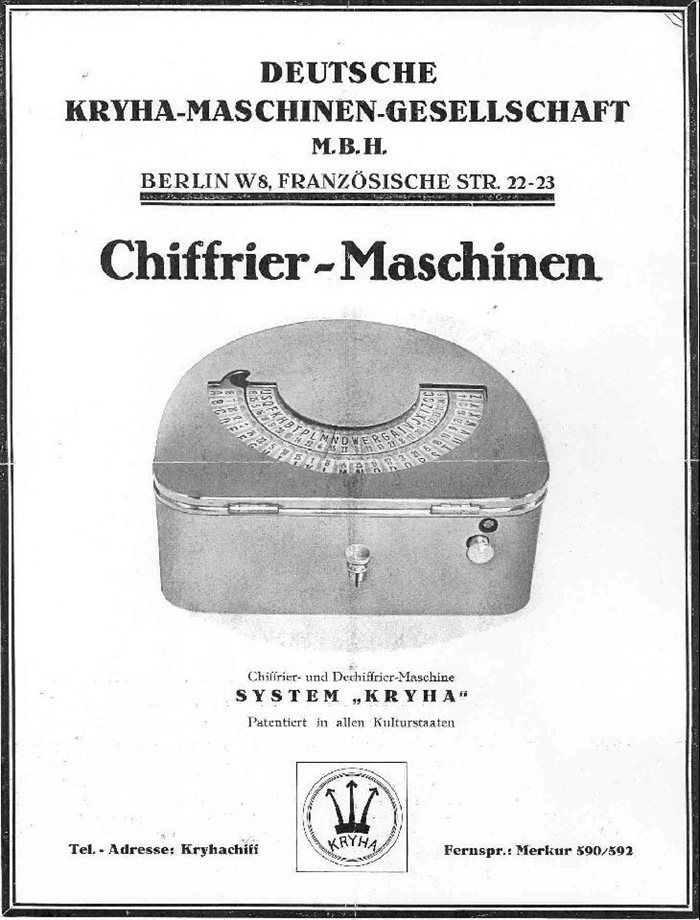
The professionally designed marketing materials helped conceal the weak encryption provided by Kryha cipher machines. Despite their sophisticated presentation, the machines offered only limited cryptographic security.
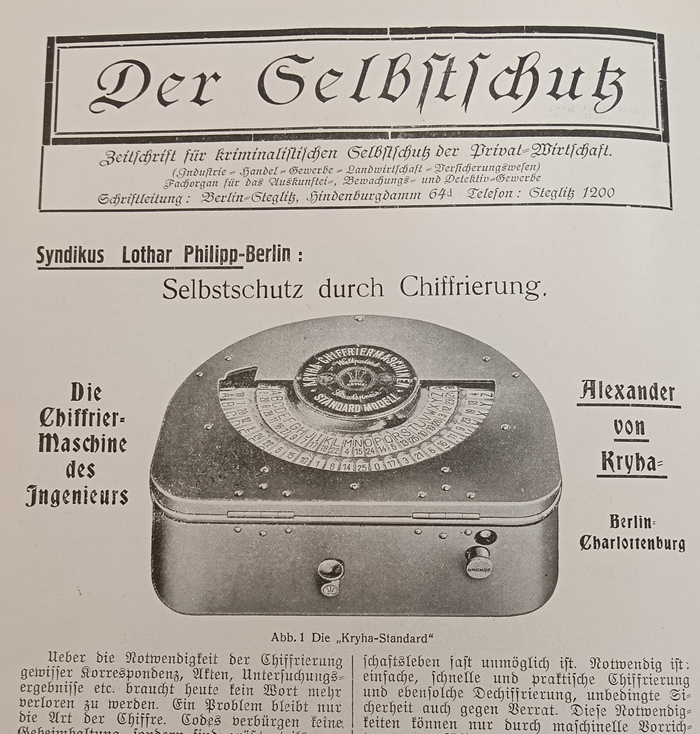
Kryha evidently invested considerable effort in public relations. Throughout the 1920s, numerous newspaper and magazine articles reported on his cipher machines. Almost all of these publications repeated Kryha’s marketing claims, portraying the devices as exceptionally secure. Apparently, none of the journalists recognized that these claims were greatly exaggerated.
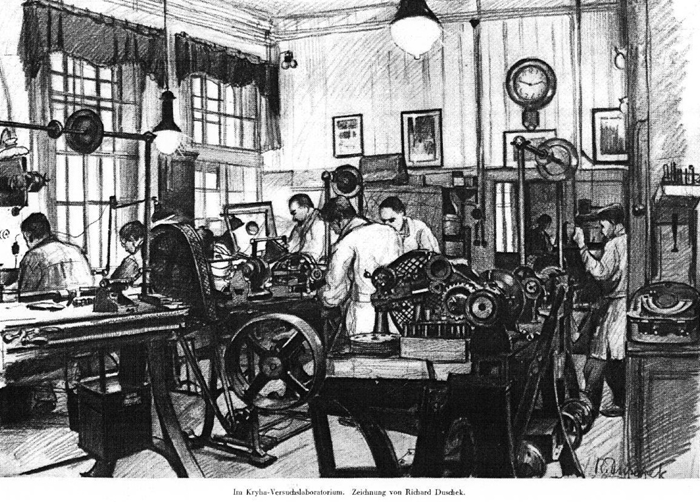
The Kryha “experimental laboratory” shown here most likely existed only in Kryha’s imagination.

Until his death in 1955, Alexander von Kryha never recognized that his machines were cryptographically too weak to stand a real chance of long-term success.
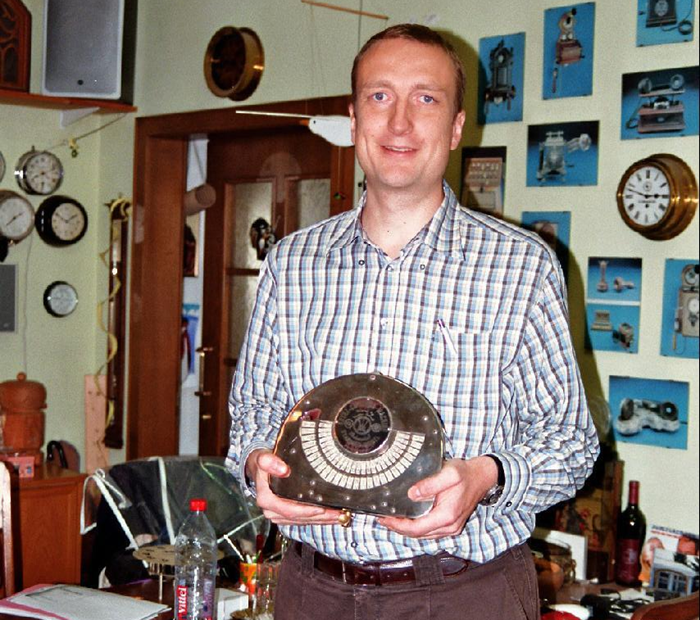
To me, the Kryha machines are among the most interesting cipher machines. I have given presentations and published articles on them on several occasions.
Literature
Back to Crypto Galleries