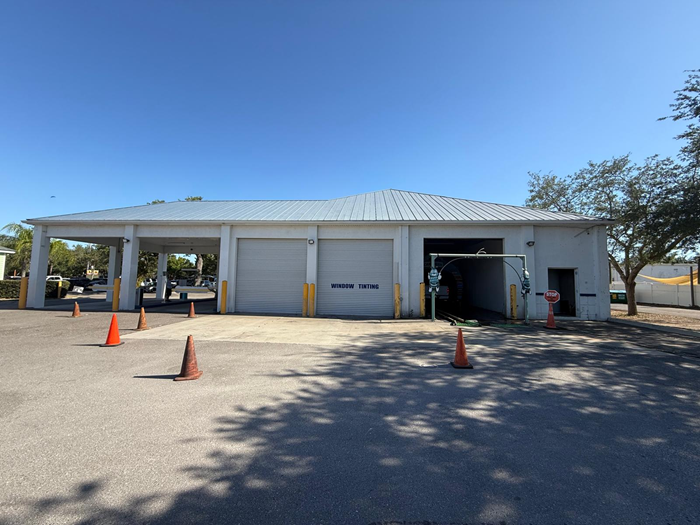
On February 1, 2004, eleven-year-old Carlie Brucia was abducted, raped, and murdered while walking home in Sarasota, Florida. The abduction was captured by surveillance cameras at a nearby car wash. The footage shows the perpetrator approaching Carlie on the sidewalk before leading her away.
After the video was released to the public, investigators quickly identified the suspect. The perpetrator was Joseph Smith, a convicted sex offender who was on probation at the time of the crime.
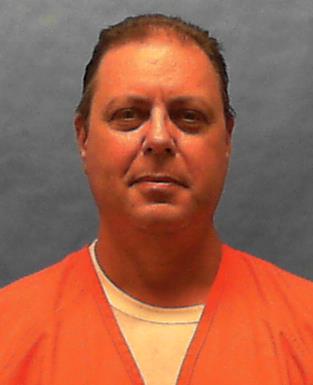
ID Photo
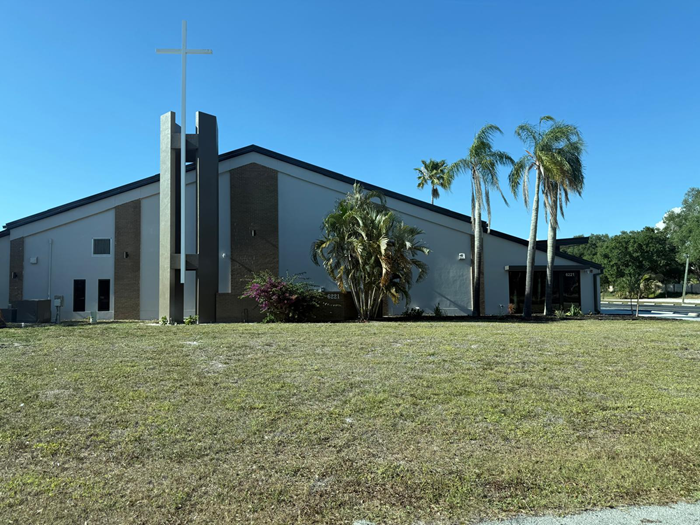
Smith was arrested. After providing information to investigators, Smith led police to Carlie’s body, which had been concealed near a church. In 2005, he was convicted of first-degree murder and sentenced to death. However, the sentence was never carried out, as Smith died in prison in 2021.
Photos
My reader Peter Berg kindly provided several photographs related to the case. The following one shows the car wash where Carlie Brucia was kidnapped while walking home (Evie’s Car Wash, 4735 Bee Ridge Road, Sarasota):
The church near which Carlie’s body was found:
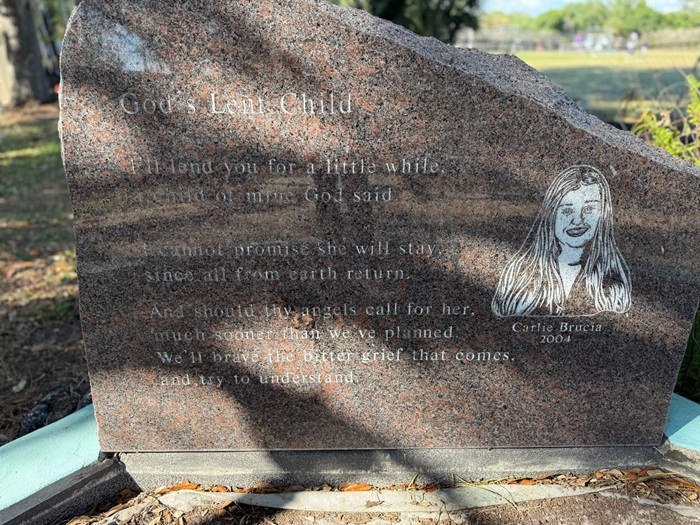
Today, a memorial stands close to the recovery site:
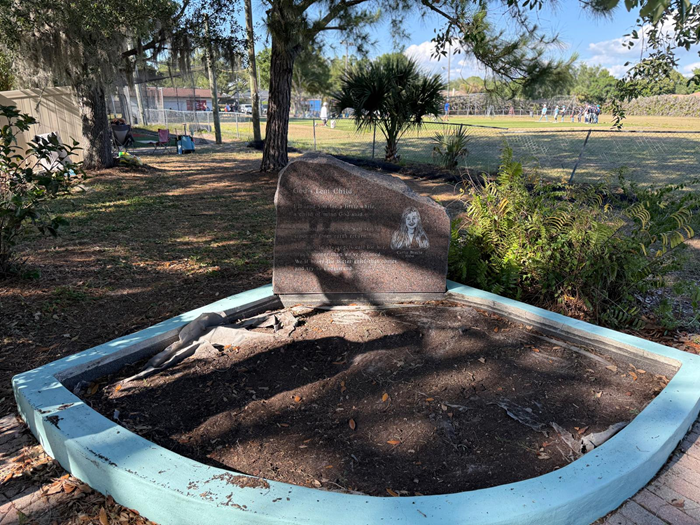
A close-up of the memorial:
The encrypted message
While awaiting trial, Joseph Smith attempted to send an encrypted letter to his brother. Prison officials intercepted the message before it reached its destination.
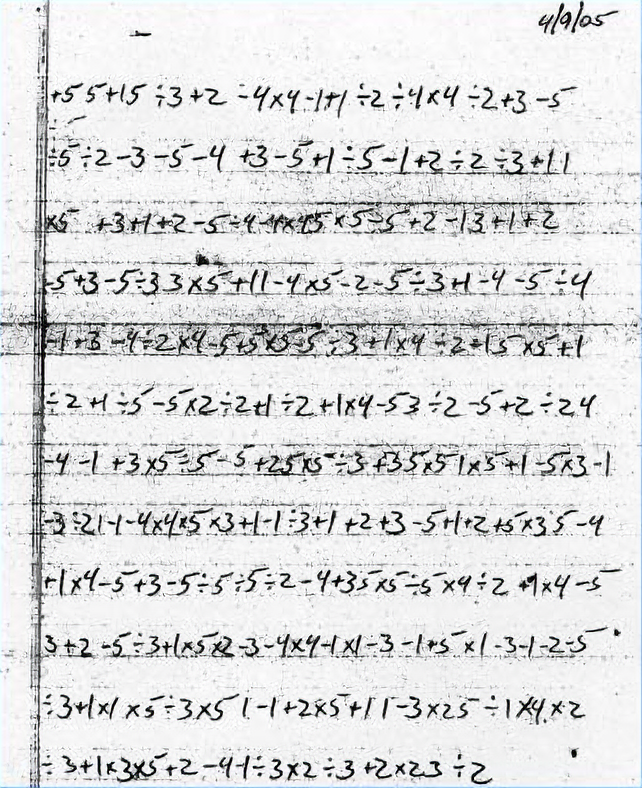
Smith used a simple monoalphabetic substitution cipher. Each plaintext letter was replaced by a one- or two-character combination consisting of the symbols “+”, “-“, “%”, and “x” together with the digits 1 through 5. To make the message more difficult to read, he also wrote it backwards, beginning at the bottom right of the page and working his way toward the top left.
Nils Kopal produced the following transcription of the ciphertext:
+5 5 +1 5 %3 +2 -4 x4 -1 +1 %2 %4 x4 %2 +3 -5
%5 %2 -3 -5 -4 +3 -5 +1 %5 -1 +2 %2 %3 +1 1
x5 +3 +1 +2 -5 %4 -4 x4 5 x5 -5 +2 -1 3 +1 +2
-5 +3 -5 %3 3 x5 +1 1 -4 x5 -2 -5 %3 +1 -4 -5 %4
-1 +3 -4 %2 x4 -5 +5 x5 -5 %3 +1 x4 %2 -1 5 x5 +1
%2 +1 %5 -5 x2 %2 +1 %2 +1 x4 -5 3 %2 -5 +2 %2 4
-4 -1 +3 x5 %5 -5 +2 5 x5 %3 +3 5 x5 1 x5 +1 -5 x3 -1
-3 %2 1 -1 -4 x4 x5 x3 +1 -1 %3 +1 +2 +3 -5 +1 +2 +5 x3 5 -4
+1 x4 -5 +3 -5 %5 %5 %2 -4 +3 5 x5 %5 x4 %2 +1 x4 -5
3 +2 -5 %3 +1 x5 x2 -3 -4 x4 -1 x1 -3 -1 +5 x1 -3 -1 -2 -5
%3 +1 x1 x5 %3 x5 1 -1 +2 x5 +1 1 -3 x2 5 %1 x4 x2
%3 +1 x3 x5 +2 -4 -1 %3 x2 %3 +2 x2 3 %2
After replacing the symbol combinations with letters, removing the spaces, and reversing the writing direction, the result is still a somewhat garbled text. After correcting a number of obvious errors, the plaintext reads:
I wish I had something juicy to say. Oh, OK. The backpack and clothes went in four different dumpsters. That Monday I came to your house for advice. I left it out in the open. I dragged the body to where it was found. Destroy this after deciphering it and shut up.
The cryptography itself is not particularly sophisticated. The encryption is simply a monoalphabetic substitution cipher, which can be broken relatively easily using classical cryptanalytic techniques. Writing the message in reverse adds a small obstacle, but hardly presents a serious challenge to an experienced codebreaker.